how to treat low tsh and low t4 Drseeds thyroid
When it comes to managing hypothyroidism, there are several treatment options to consider. One popular approach is T4-only treatment, which involves taking medication that contains only levothyroxine, a synthetic form of the thyroid hormone T4. However, this treatment approach isn’t always effective for everyone with hypothyroidism. In fact, relying solely on T4-only treatment may lead to suboptimal outcomes for some individuals. So, why doesn’t T4-only treatment work for everyone? And what can you do if you’re not getting the results you want from this approach? Let’s explore these questions in more detail. First, it’s important to understand that T4-only treatment is based on the idea that most of the body’s thyroid hormone needs can be met by T4 alone. However, some people may not convert T4 into the biologically active form of thyroid hormone (T3) as efficiently as others. In these cases, even if T4 levels are within the normal range, the body may not be able to use the hormone effectively. This is why it’s important to consider other factors besides TSH levels when managing hypothyroidism. TSH (thyroid-stimulating hormone) is commonly used as a marker for thyroid function, but it doesn’t tell the whole story. Other factors that can impact thyroid function include T4 and T3 levels, thyroid antibodies, and symptoms. So, what can you do if you’re not getting the results you want from T4-only treatment? One option is to consider combination therapy, which involves taking medication that contains both T4 and T3. This can help address the issue of poor T4-to-T3 conversion and provide more comprehensive thyroid hormone replacement. However, it’s important to work with a knowledgeable healthcare provider to find the right dosages and monitor hormone levels over time. Another option is to explore other approaches that can support thyroid function. This might include dietary changes, such as reducing inflammation and supporting gut health, as well as supplements that can support thyroid hormone synthesis and conversion. Lifestyle factors like stress management and sleep quality can also play a role in thyroid health. In conclusion, while T4-only treatment may be effective for some people with hypothyroidism, it’s not a one-size-fits-all solution. If you’re not seeing the results you want from this approach, consider exploring other options and working with a healthcare provider who understands the complexities of thyroid function. With the right care and attention, it’s possible to manage hypothyroidism and feel your best.
If you are looking for Why T4-only Treatments Do Not Work (Why We Can’t Dose by TSH and Why We you’ve visit to the right web. We have 5 Pics about Why T4-only Treatments Do Not Work (Why We Can’t Dose by TSH and Why We like Why T4-only Treatments Do Not Work (Why We Can’t Dose by TSH and Why We, Pin on Health info and also Pin on Health info. Read more:
Why T4-only Treatments Do Not Work (Why We Can’t Dose By TSH And Why We
 www.tiredthyroid.comtsh
Pin On Health Info
 www.pinterest.comdrseeds thyroid
Hypothyroidism
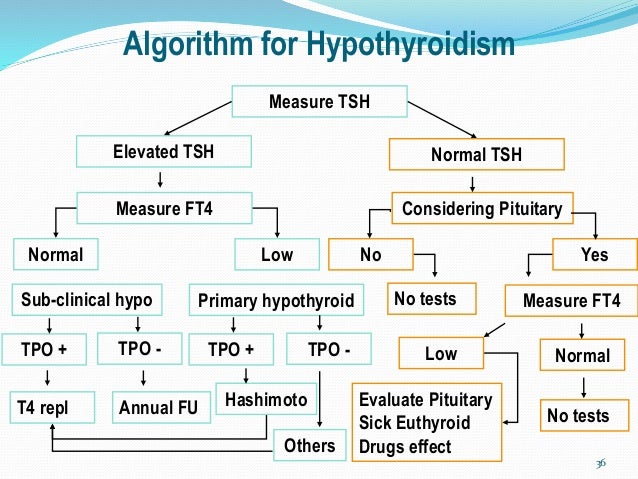 www.slideshare.nethypothyroidism
Why Thyroid Symptoms Are Often Missed Or Mistreated - Theaafh.org
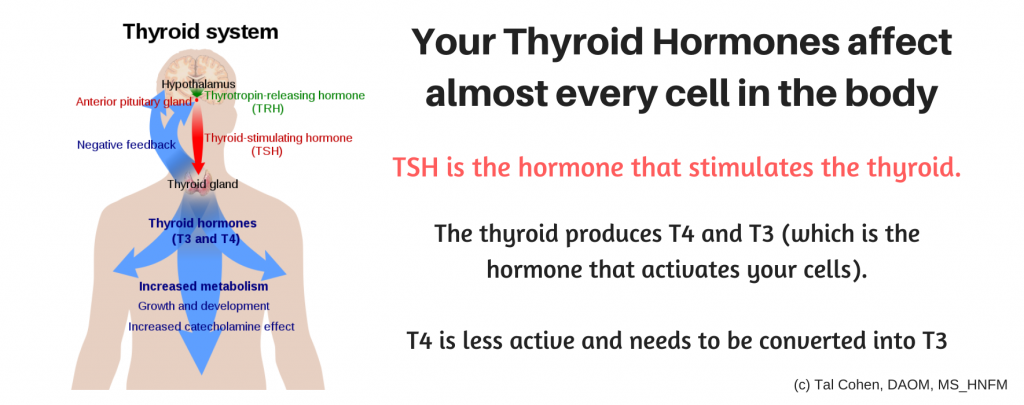 theaafh.orgt4 thyroid tsh
There Is A Difference Between ’normal’ And ‘optimal’ Thyroid Tsh Levels
 www.pinterest.nzthyroid tsh normal levels test results chart t4 optimal values hypothyroidism difference between diet hashimotos autoimmune health optimum they coma
T4 thyroid tsh. Pin on health info. Why t4-only treatments do not work (why we can’t dose by tsh and why we